
Knowledge is Freedom

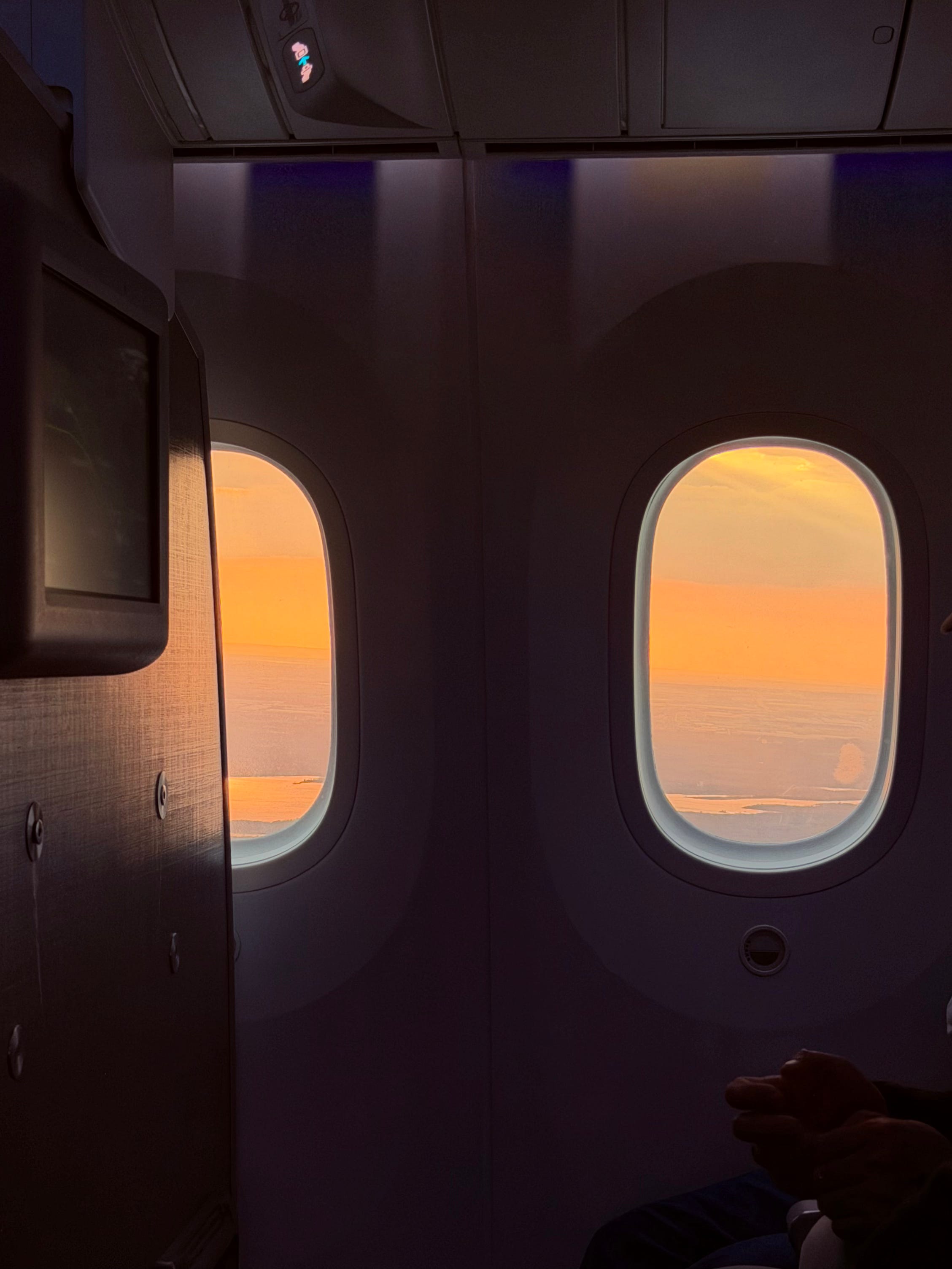
Pudong Airport, March 6, 2026
I confess I felt proud of how I ended the last two chapters: “Good luck with your next 大哥“ and “I deserve someone better than you.” There’s no question that I had reached my limit once again, and that self-respect needed to step in. But I can’t be a hypocrite: the second-to-last chapter was not the end of this story. And had knowledge not set me free, the last chapter wouldn’t have been either.
I arrived at the Shanghai airport devastated once more. Ever since the ride from his apartment, I had been holding myself back from sending Dorama a message. “Why do you treat me so badly? On the exact day that marks nine months since we met. We could have enjoyed the morning together, but you didn’t stop criticizing me for a single minute” — that was one of the things I had said to him while packing my bags, and typing it into a message felt like my next step.
What held me back in that moment was watching how Dorama began posting on social media as if nothing had happened. On his private account, the photos of Singapore I had taken appeared in a montage of the city, the hotel, and the Barry’s studio. “How can he be so cold?” I thought — and managed to hold on for a few more hours.
When I boarded the last flight of this story, bound for Dallas, all I could wish was for the next fifteen hours to pass in fifteen minutes, carrying me farther and farther from him. As if distance could keep me from going back into his arms one more time.
I settled into my seat, opened Instagram, and started scrolling. Two videos in, I read the title: “How to identify a narcissist.” My finger stopped. Dorama had called me a narcissist a few days earlier. I had already forgotten about it — so I wanted to make sure I didn’t have a disorder, the way he’d said I did. The video opened with a sentence: “Narcissists have neither the ability nor the desire to reflect on themselves or take any responsibility.”
I reflected for a moment. And I realized I was doing exactly that: reflecting. Thinking about my own actions, about how I had blamed myself for the harsh way I sometimes spoke to Dorama, about how I apologized and tried to explain every situation. The very act of checking whether I was a narcissist was proof that I wasn’t.
But I grew curious about how that video read his behavior. I watched the next one. And the one after that. The phrases landed on me one by one: the constant reversal of blame — leaving a conversation feeling guilty, even when you were the one who’d been hurt. Selective empathy — understanding the other person’s feelings, but not caring, especially when it’s inconvenient. And one that stopped me: “Conditional love: you are valued when you agree, admire, and submit. If you stand your ground, you lose value.”
Dorama had used that exact term with me, in a conversation during the second month. He said my love for him was conditional on my staying in Shanghai: he let me sleep in his apartment, and that was why I loved him. I had never heard that expression before. And it was already being used against me from the very start.
Of course, two videos weren’t enough to understand nine months. I watched dozens, in Portuguese and in English. I learned about the cycle of the narcissistic relationship: love bombing, devaluation, discard, abandonment — and, finally, hoovering, the phase of pulling the person back in to start it all over again. I began to understand why the last nine months had been the most confusing of my life.
The video about gaslighting opened my eyes a little further. The term is known worldwide, but the definition, to me, wasn’t yet: a form of psychological abuse that makes you doubt your own memory, perception, and sanity. It denies reality, distorts events, reverses blame, dismisses what you feel. I was certain I had been subjected to it, consistently, for months.
